Open Banking Is Revolutionizing Casino Deposit Methods
Direct bank-to-casino payments through open banking APIs offer speed, security, and lower costs for players and operators.
Open banking technology is transforming how players fund their online casino accounts. By enabling direct bank-to-merchant payments through secure APIs, open banking bypasses traditional card networks and payment intermediaries, resulting in faster, cheaper, and more secure transactions.
Open banking emerged from EU's PSD2 directive (2018) which mandated that banks expose their account data and payment-initiation capabilities via standardized APIs to authorized third parties. The UK's Open Banking Implementation Entity led implementation; the rest of Europe followed; non-EU markets are now adopting similar frameworks.
Services like Trustly, Volt, Brite and Tink allow players to make deposits directly from their bank accounts with instant confirmation. There are no card details to enter, no third-party accounts to create, and no additional fees in most cases. The deposit flow takes under 60 seconds: pick your bank, authenticate via biometrics in your bank's app, confirm — and funds appear in the casino instantly.
Trustly's Pay N Play takes the model further by enabling account-less casino play. Players deposit using BankID (Sweden/Norway/Finland) or comparable authentication, and the casino opens an account automatically using verified KYC data from the bank. Withdrawal goes back to the same verified bank account. This collapses registration, KYC and deposit into a single 30-second flow.
For operators, open banking offers significantly lower processing costs compared to credit card transactions, while also reducing fraud risk since payments are authenticated directly through the player's bank using strong customer authentication (SCA). Effective cost is typically 0.5%–1% versus 2–3% for credit cards, plus dramatically lower chargeback exposure.
Open banking is now the dominant deposit method in Sweden (Trustly), Norway (Trustly + Brite), Finland (Trustly + OP-Pohjola direct), the Netherlands (iDEAL) and increasingly the UK (Volt, GoCardless). Adoption in Germany, France and Italy is rising but slower because of legacy card-payment infrastructure.
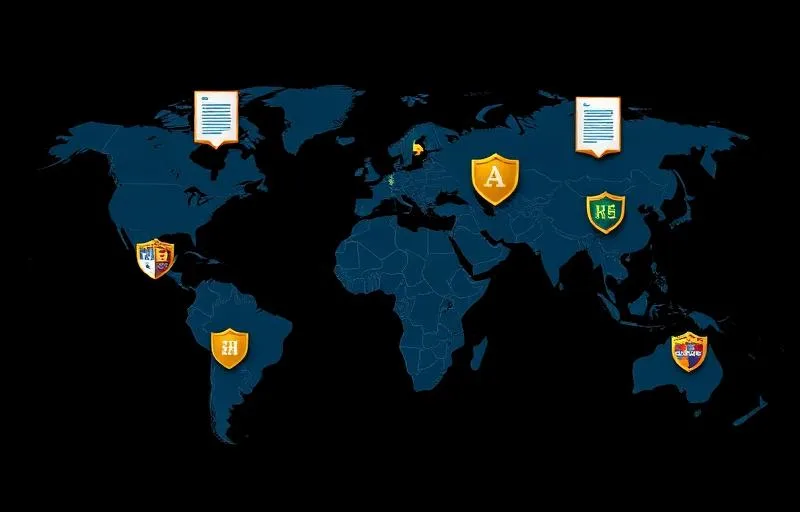
The adoption of open banking in iGaming is particularly strong in European markets where the PSD2 directive has created a regulatory framework supporting open banking services. Outside Europe, the rollout is patchier — the US lacks federal open-banking regulation, Canada is finalizing its framework, and most of Asia operates through alternative real-time payment rails (UPI in India, PIX in Brazil, AliPay/WeChat Pay in China).
Looking forward, expect open banking to grow from ~25% of European casino deposits today to 40%+ by 2028, displacing credit/debit cards primarily. The speed, cost and security advantages are compelling enough that the trajectory looks inevitable. Card networks are responding with instant-payment products of their own (Visa Direct, Mastercard Send), but the open-banking head start is significant.
Stay Updated with Wintino
Visit our news section daily for the latest iGaming industry updates.
Browse All News