How Data Analytics Is Shaping the Future of iGaming
Big data and advanced analytics are helping operators understand player behavior and optimize every aspect of the gaming experience.
Data analytics has become the backbone of modern iGaming operations, influencing everything from game development and marketing to customer service and risk management. Operators who effectively leverage their data gain significant competitive advantages.
The volume of data generated by online gambling is staggering. A mid-sized casino operator processes 100M+ events per day — every spin, every click, every page view, every chat message. Large operators handle 10× that volume. Modern data warehouses (Snowflake, BigQuery, Databricks) make this scale practical to analyze, but the engineering effort to maintain such pipelines is substantial.
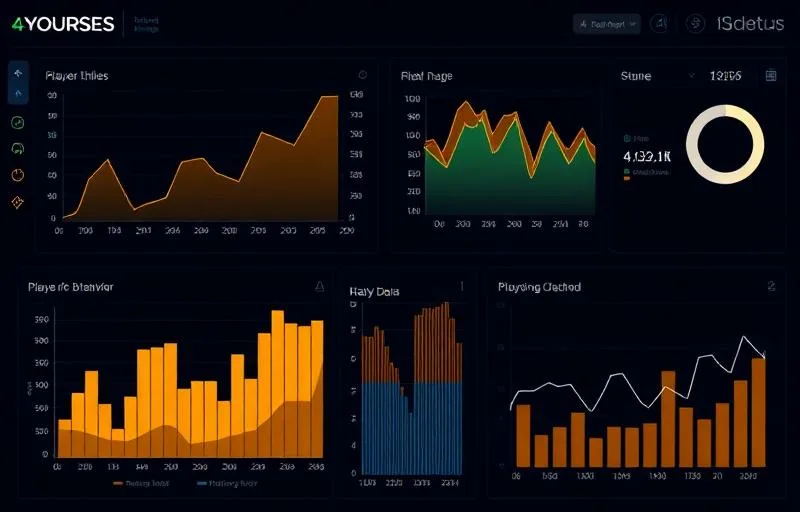
Player behavior analytics enable operators to understand preferences at a granular level — which games are played at what times, how bonus offers affect retention, what triggers churn, and how different player segments respond to various features. Cohort analysis tracking player groups by registration date reveals long-term patterns invisible in aggregate data.
A/B testing is now industry standard. Game lobby layouts, promotional copy, bonus structures, withdrawal-flow UX — virtually every player-facing element is tested against alternatives. Top operators run 50–100 simultaneous experiments at any given moment, with statistical-significance gating before any change is rolled out broadly.
Predictive analytics are being used to forecast player lifetime value, identify high-value players early in their journey, and optimize marketing spend by targeting the right players with the right messages at the right time. LTV models built from the first 7 days of player activity can predict 12-month value with 70–80% accuracy.
Churn prediction is a particular focus area. Models that identify players likely to lapse 30 days in advance allow operators to deploy retention offers proactively. A well-tuned churn-prevention campaign can save 15–25% of would-be lapsed players at meaningful incremental revenue.
Fraud and AML analytics protect against bonus abuse, multi-accounting, money laundering and collusion. Pattern-recognition models detect anomalies invisible to rule-based checks — for example, a player who's never made €100 deposits suddenly making €5,000 deposits at 3am is statistically suspicious in ways that simple thresholds wouldn't catch.
Real-time analytics increasingly drive operational decisions. When the live casino streaming quality drops, automated alerting routes affected players to backup tables instantly. When a payment provider's success rate falls, automated routing diverts traffic. The human operators handle exceptions; the analytics platform handles the routine.
The ethical use of player data is increasingly important, with regulations like GDPR setting strict standards for data collection, storage, and usage. Operators must balance the business value of analytics with their responsibility to protect player privacy and prevent data misuse. Data minimisation (collect only what's needed) and purpose limitation (use data only for declared purposes) are core GDPR principles that constrain how analytics programmes can operate.
Looking forward, generative AI will reshape how analytics insights are surfaced. Instead of dashboards that analysts interpret, expect natural-language interfaces where operators can ask "why did Tuesday's Italian-market revenue dip" and receive a synthesized explanation drawing from multiple data sources. The democratization of analytics will be one of the biggest near-term iGaming developments.
Stay Updated with Wintino
Visit our news section daily for the latest iGaming industry updates.
Browse All News